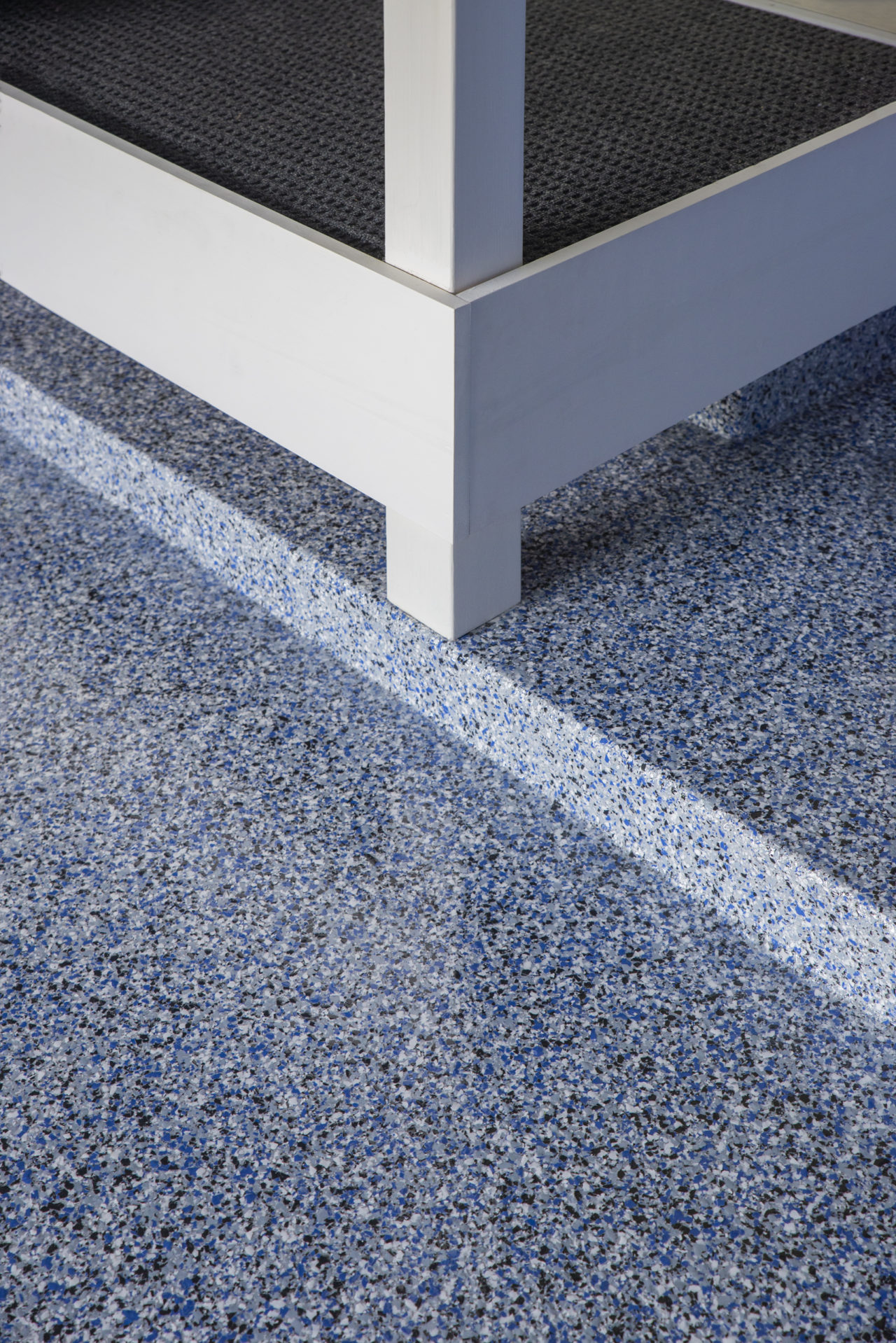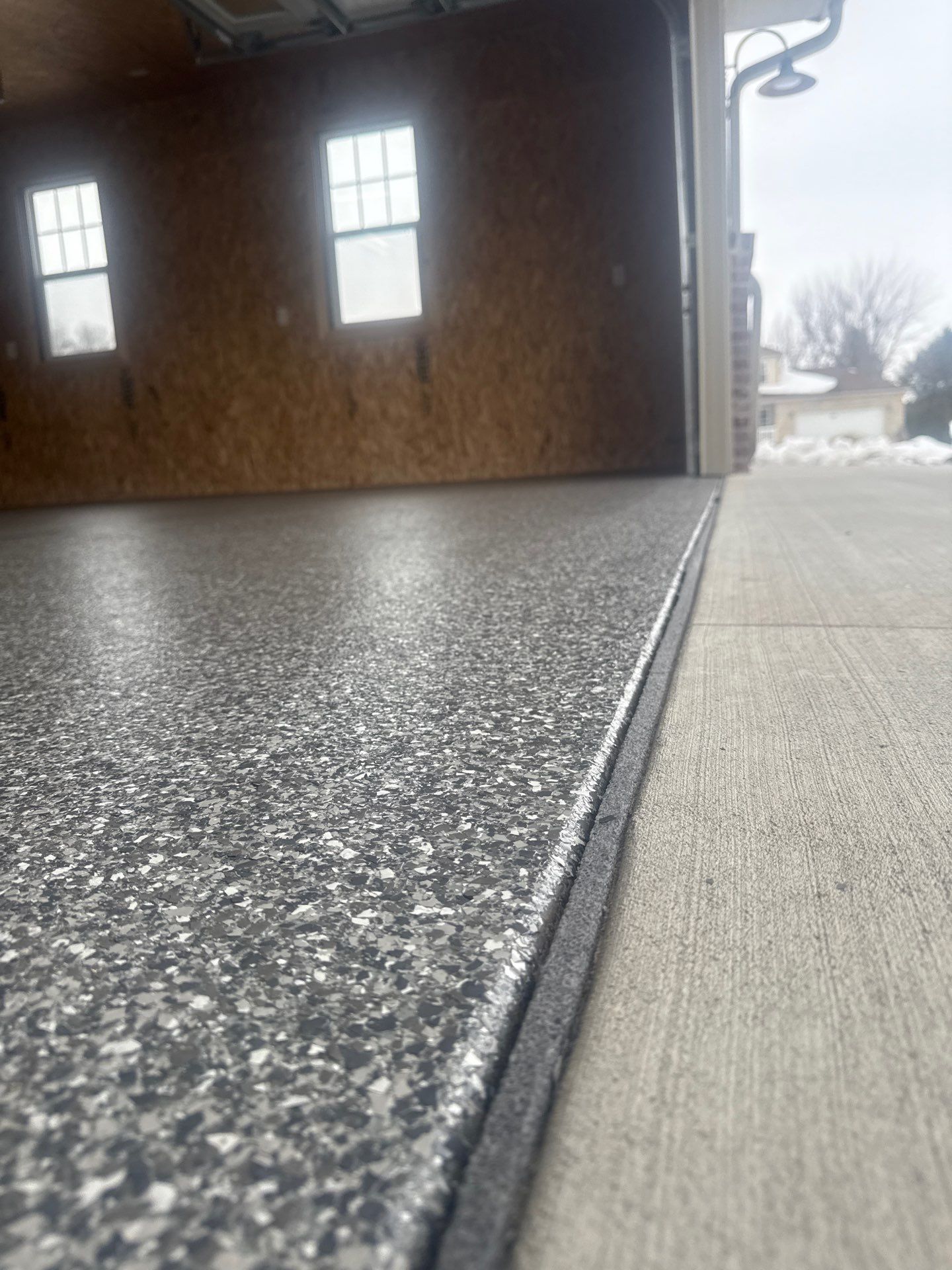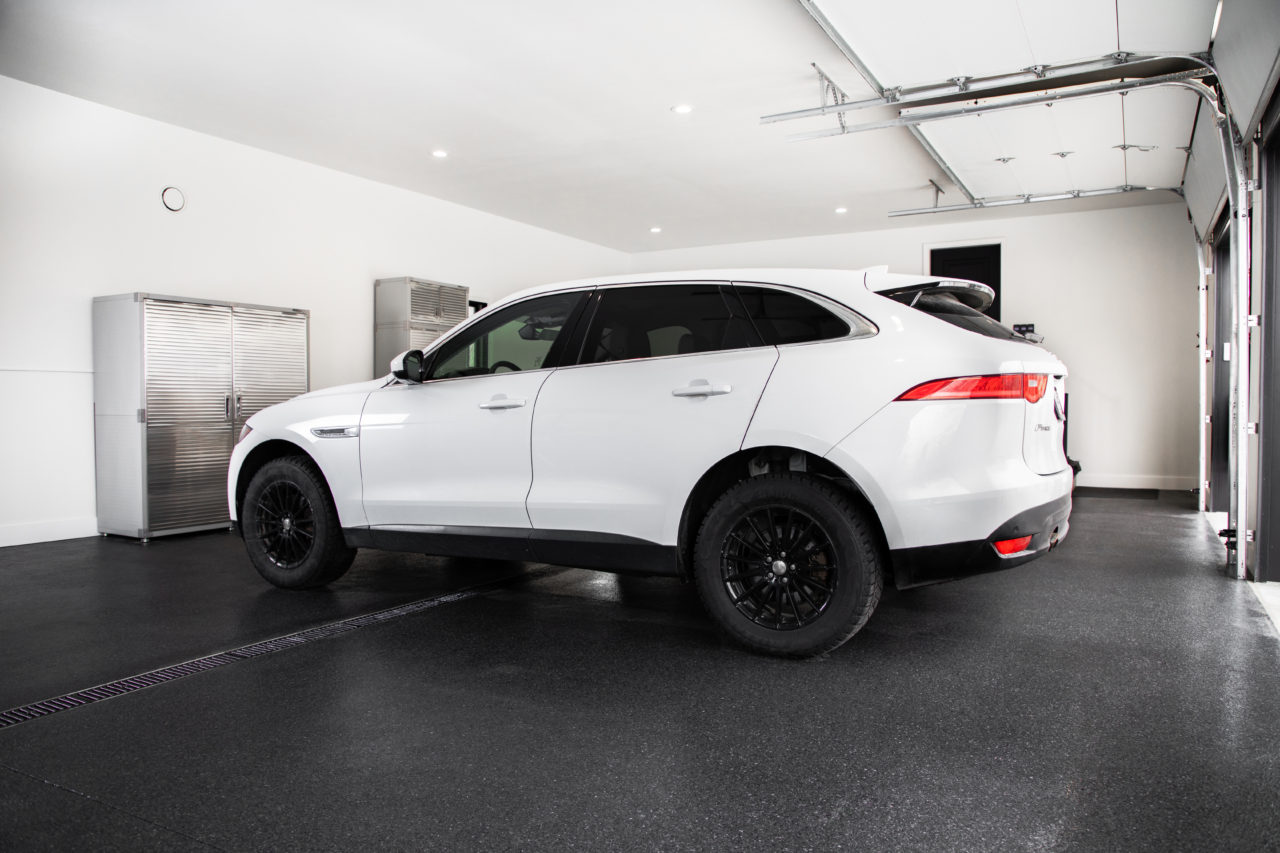
Guide for Polyurea vs. Epoxy Concrete Coatings
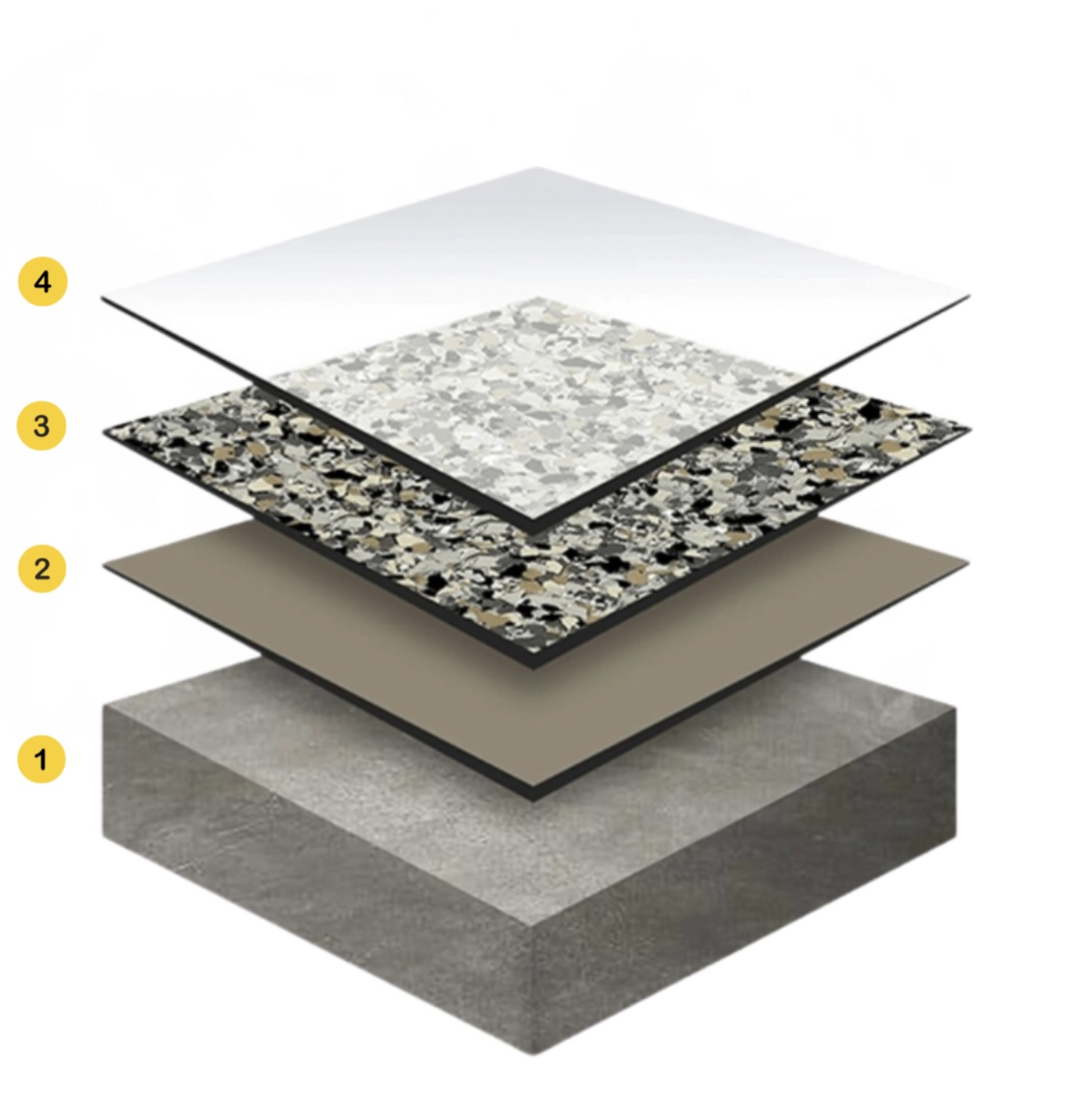
Garage Floor Coatings · Iowa Homeowner Guide Epoxy vs. Polyurea vs. Polyaspartic: Which Garage Floor Coating Actually Survives Iowa Winters? By Revival Concrete Coatings · Des Moines, Iowa · Updated March 2026 · 8 min read Every spring, Des Moines homeowners open their garage doors to the same unpleasant surprise: a floor that cracked, peeled, or turned white over the winter. Iowa’s freeze-thaw cycles are among the harshest on concrete in the Midwest — temperatures regularly swing more than 50°F in a single week, and road salt tracked in from the driveway accelerates the damage faster than most homeowners expect. If you’re shopping for garage floor coating services, you’ve already discovered that the market offers at least three main coating types: epoxy, polyurea, and polyaspartic. Each is marketed with bold claims. This guide cuts through the noise to explain what actually holds up in central Iowa conditions — and what to ask any of the floor coating companies near you before you sign a contract. ★★★★★ 4.9 stars across 233+ Google reviews — Des Moines and Greater Iowa homeowners on Revival Concrete Coatings Why Iowa’s Climate Changes the Equation Before comparing coatings, it helps to understand what a garage floor in Des Moines actually endures. According to the Iowa DOT’s research on pavement performance, Iowa concrete experiences an average of 30–50 freeze-thaw cycles annually — each one forcing moisture that has seeped into micro-cracks to expand by roughly 9% as it freezes. That expansion is what causes surface spalling and, in coated floors, delamination. Add road salt and deicing chemicals (Iowa roads are heavily treated from November through March), and you have a chemical environment that is actively hostile to water-based coatings and thin-film applications. The American Concrete Institute (ACI) recommends minimum coating thickness of 20 mils for floors exposed to deicing salts — a threshold that rules out most big-box store epoxy kits, which typically apply at 6–10 mils. Iowa-Specific Fact Ankeny and Des Moines concrete slabs often have higher moisture vapor emission rates than national averages due to Iowa’s clay-heavy soils. Moisture vapor transmission above 3 lbs/1,000 sq ft/24 hrs — a common reading here — will cause DIY epoxy kits to bubble and fail within 12 months. A proper moisture test before coating is not optional in Iowa; it’s essential. The Three Main Garage Floor Coating Systems 1. Epoxy Garage Floor Coatings Epoxy has been the industry standard for garage floor epoxy for decades, and for good reason: it bonds tenaciously to properly prepared concrete and produces a hard, chemical-resistant surface. Professional-grade epoxy systems — typically 100% solids formulations — are genuinely durable when installed correctly. The problem is the installation window. Epoxy is highly sensitive to temperature and humidity during application. Below 50°F, epoxy doesn’t cure properly; above 85°F, it can flash-cure before the installer can back-roll it evenly. In Iowa, this leaves a narrow reliable window of roughly mid-May through mid-September. It also takes 5–7 days to fully cure to vehicle traffic — an inconvenience that many homeowners underestimate. The ASTM D7234 pull-off adhesion standard — the benchmark professional installers use to verify bond strength — requires a minimum of 200 psi; low-quality DIY epoxy products routinely fail this threshold on Iowa concrete. 2. Polyurea Garage Floor Coatings Polyurea floor coatings represent a significant technical improvement over standard epoxy, particularly for Iowa’s climate. Polyurea is four times more flexible than epoxy — meaning it moves with the concrete rather than against it as the slab contracts in cold weather. This flexibility is the primary reason polyurea systems dramatically outperform standard epoxy in freeze-thaw environments. Polyurea also cures in 1–3 hours regardless of temperature or humidity, which means it can be installed nearly year-round in Iowa (down to about 20°F ambient) and returned to vehicle traffic the same day. For homeowners who can’t be without their garage for a week, this is a meaningful practical advantage. The trade-off: polyurea requires skilled applicators. Because it cures so quickly, application errors cannot be corrected after the fact. This is why the quality gap between professional and amateur polyurea installations is wider than with epoxy — it rewards experienced crews. 3. Polyaspartic Garage Floor Coatings Polyaspartic is a subtype of polyurea that was developed specifically to address the UV yellowing problem common in older aliphatic polyurethane and some epoxy topcoats. If your garage gets direct sunlight through windows or an open door, polyaspartic topcoats maintain their color and gloss significantly better than standard epoxy over a 5–10 year period — a fact backed by research published in Coatings World on aliphatic polyaspartic formulations. Most high-quality professional coating systems today are hybrid approaches: a polyurea base coat for flexibility and adhesion, with a polyaspartic topcoat for UV stability and aesthetics. This is the system Revival installs on Iowa garage floors. Side-by-Side Comparison for Iowa Conditions Factor DIY Epoxy Kit Pro Epoxy Polyurea / Polyaspartic Iowa freeze-thaw durability Poor — cracks & peels Moderate Excellent — flexible under movement Road salt resistance Poor Good with proper topcoat Excellent Cure time to vehicle traffic 5–7 days 5–7 days Same-day (1–3 hrs) UV / yellowing resistance Yellows within 1–2 years Yellows (aliphatic topcoat needed) UV-stable with polyaspartic topcoat Year-round install window (Iowa) Spring–Fall only Spring–Fall only Nearly year-round (to ~20°F) Moisture vapor tolerance Very low — bubbles on Iowa clay soils Moderate High with proper primer Typical warranty (professional install) None 1–5 years Lifetime (varies by contractor) Approximate installed cost (2-car garage) $200–$500 materials $1,800–$2,800 $2,400–$3,800 — see full Iowa cost guide 5 Questions to Ask Any Garage Floor Coating Company in Des Moines The Des Moines metro has seen a surge of garage floor companies in Des Moines in recent years. Some are excellent; others are seasonal crews with minimal training. Before you book anyone, ask these five questions: Do you do diamond-grinding or shot-blasting for surface prep? — The International Concrete Repair Institute (ICRI) identifies surface preparation as the single largest predictor of coating failure. Acid-washing alone (common with