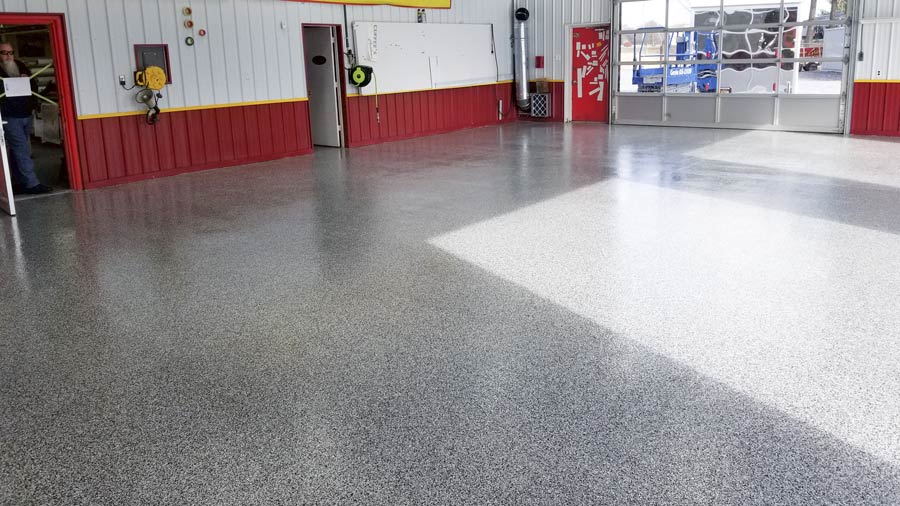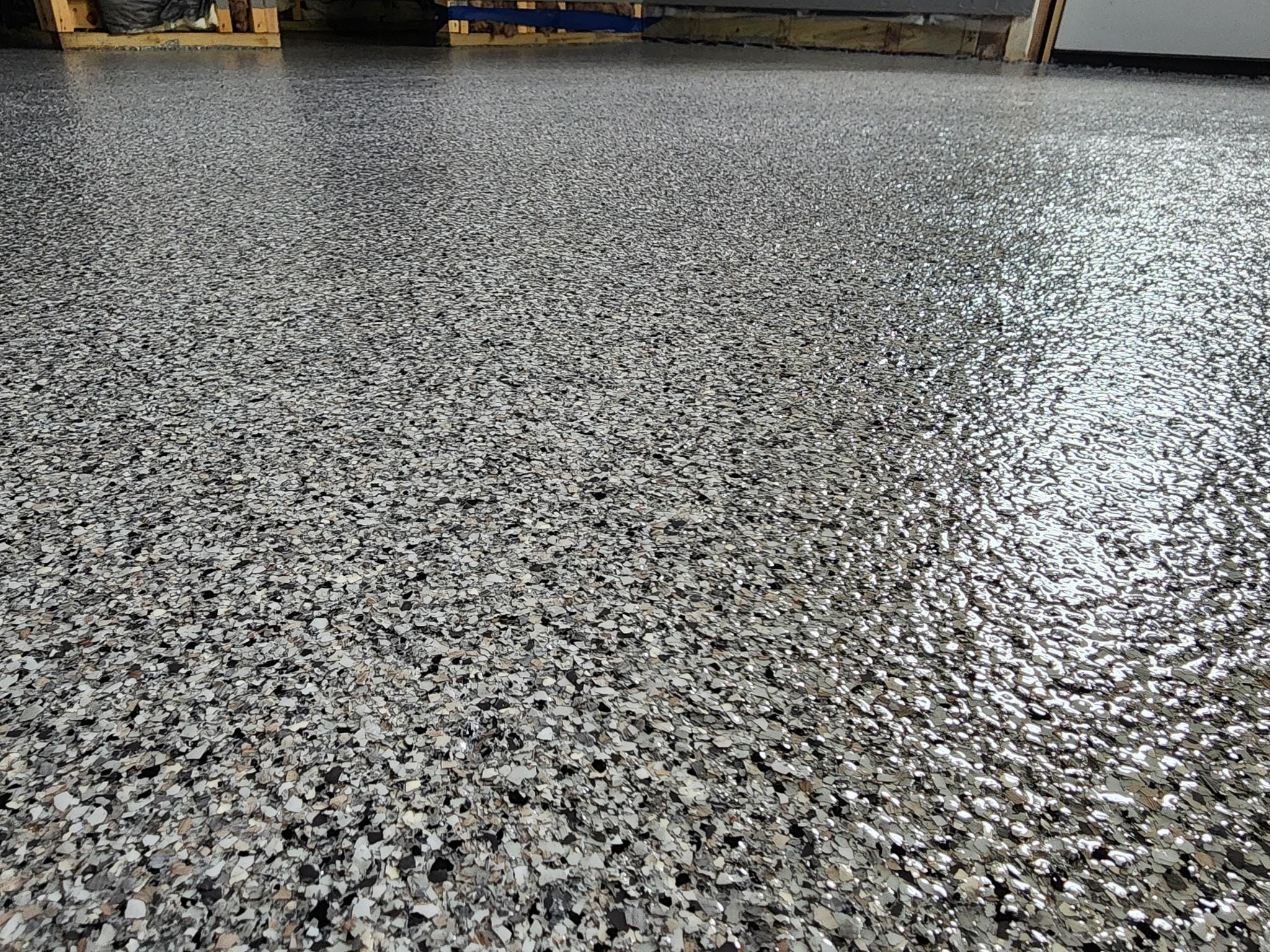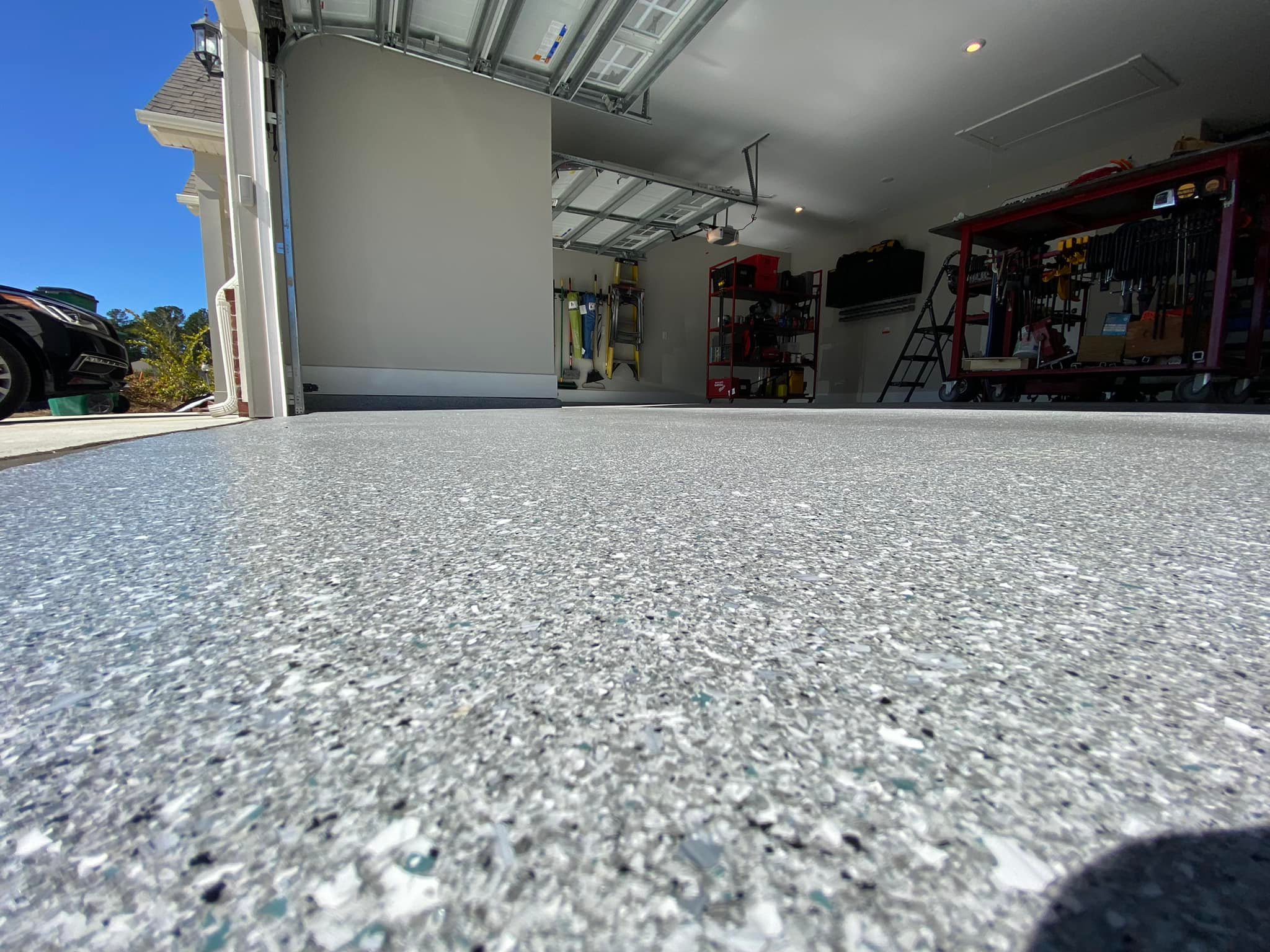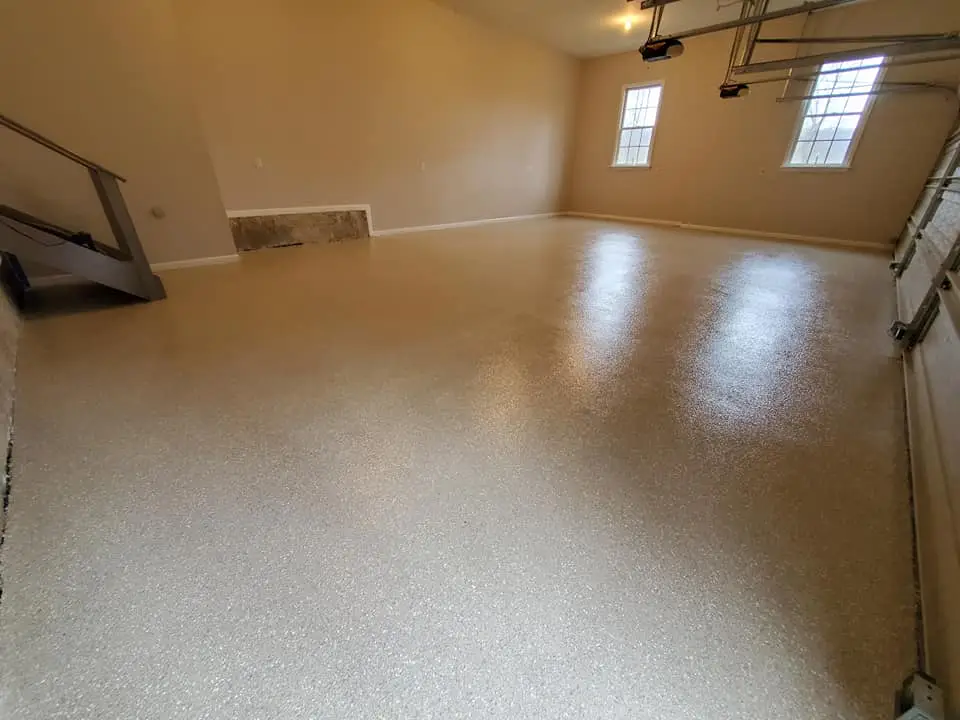
Garage Floor Companies in Des Moines, IA
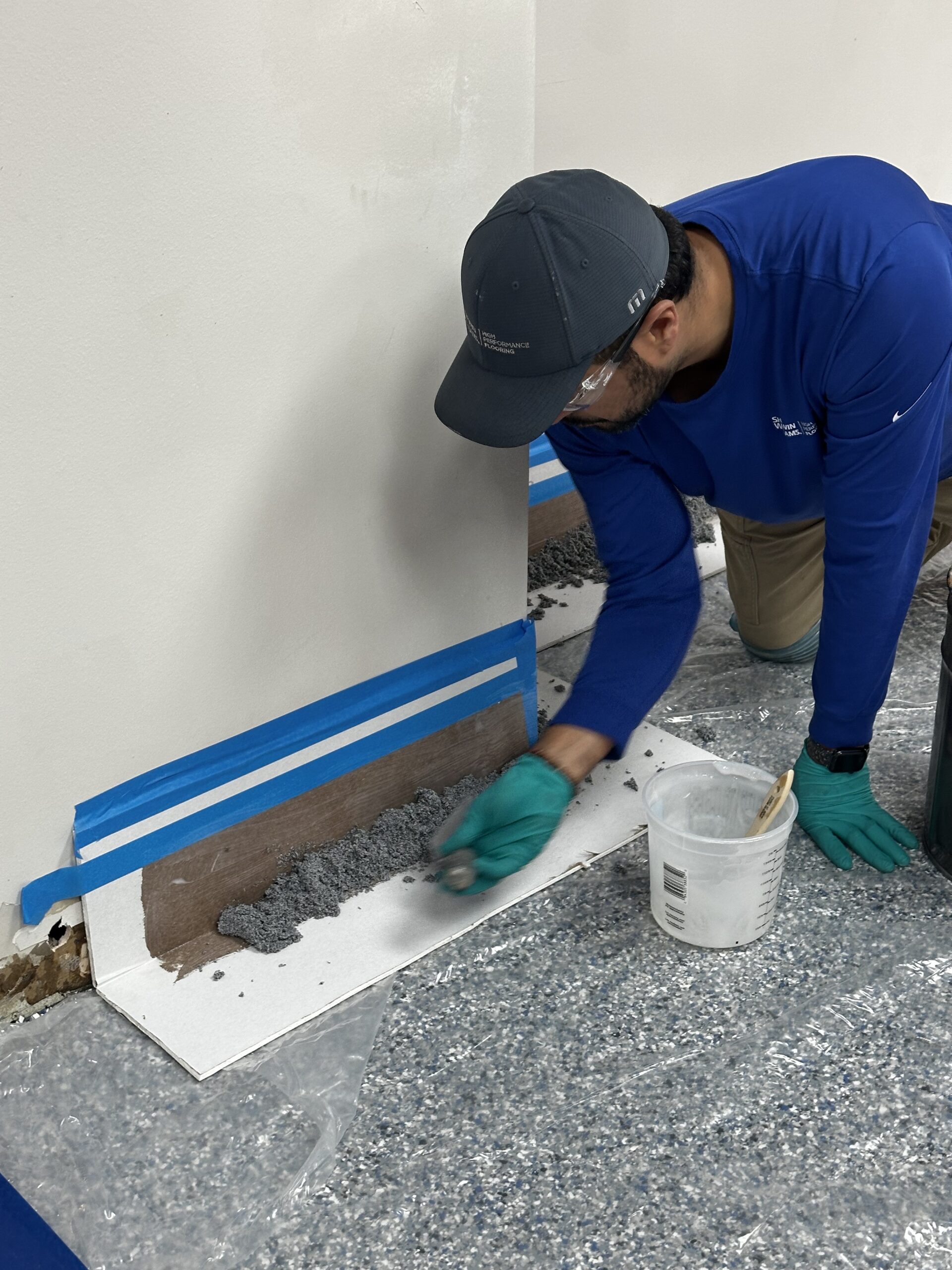
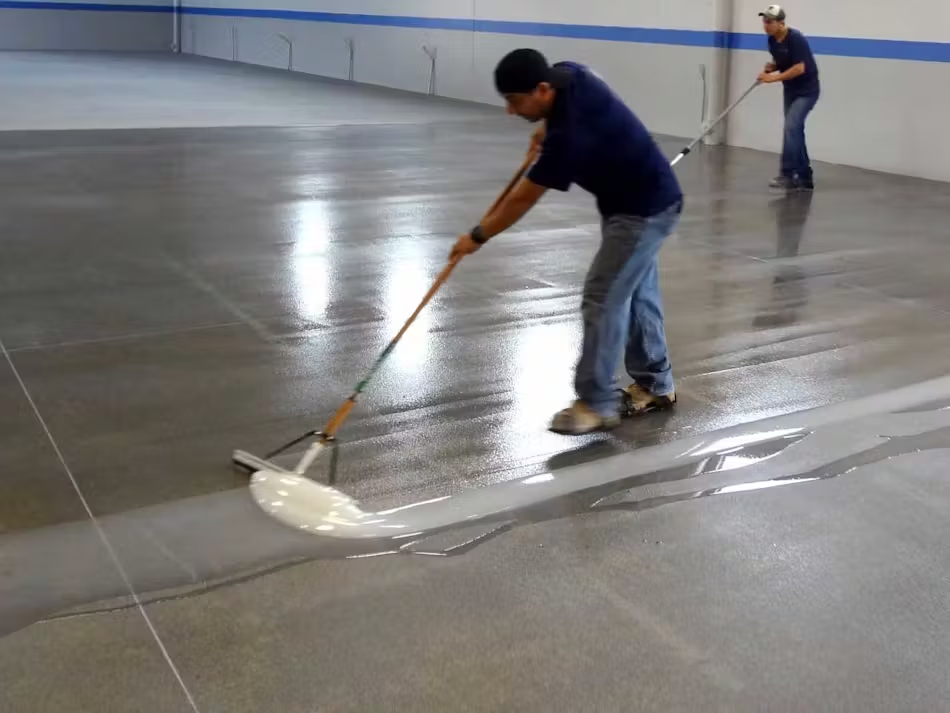
(515) 850-7192 Garage Floor Coating — Des Moines & Central Iowa · 2026 Garage Floor Coating Companies in Des Moines, Iowa The 2026 Central Iowa Local Guide What to look for, what to ask, and what to expect on installation day. From Central Iowa’s most-reviewed concrete coatings company. #1 Concrete Coatings Near Me 250+ Five-Star Reviews Simiron-Certified Installer 15-Year Warranty · One Transfer What’s in This Guide What Makes Iowa Garage Floors Different What to Ask Every Floor Coating Company Near You What to Expect on Installation Day Beyond Garages: Every Surface We Coat Simiron-Certified: The Professional Difference Why 250+ Reviews Matter More Than You Think Communities We Serve Across Central Iowa Frequently Asked Questions Get a Free Quote ★★★★★ “Central Iowa’s most-reviewed concrete coatings company — 250+ five-star reviews and counting.” Browse completed projects on Trusty → What Makes Iowa Garage Floors Different Central Iowa’s climate is uniquely demanding for concrete coatings — and understanding why is the first step toward making a decision that will hold up for 15 years instead of falling apart in two. Freeze-Thaw Cycles Iowa experiences 40–60 freeze-thaw cycles per year. Every time your garage slab absorbs moisture and then freezes, the concrete expands microscopically. This process is relentless — and it’s why coatings that don’t bond deeply to the concrete profile eventually crack, peel, and delaminate. A properly diamond-ground concrete surface with a polyurea basecoat creates a bond that moves with the slab rather than against it. Road Salt and De-Icer Contamination Iowa roads are heavily salted from November through March. Salt drag-in is one of the most corrosive forces a garage floor faces — it attacks uncoated concrete chemically and causes pitting over time. A professional polyurea and polyaspartic coating system seals the slab entirely, making cleanup as simple as rinsing with a garden hose. Clay Soil and Slab Settlement Much of Central Iowa — from Des Moines and Ankeny through Pella and Knoxville — sits on expansive clay soils that shift seasonally with moisture content changes. This movement causes hairline cracking in garage slabs that, if left unaddressed, becomes a moisture entry point beneath any coating. Revival Concrete Coatings fills all cracks with 100% solids crack filler before applying any base coat on every project. Temperature Extremes Iowa garage surface temperatures swing from -20°F in January to 100°F+ in July. Standard epoxy becomes brittle and loses adhesion at temperature extremes. Polyurea chemistry maintains its bond across the full Iowa temperature range — which is one of the core reasons it outperforms standard epoxy in our market. 250+5-Star Reviews 4.9Avg. Rating 15Year Warranty #1Concrete Coatings Near Me What to Ask Every Floor Coating Company Near You Not all floor coating companies in Des Moines and Central Iowa offer the same level of preparation, product quality, or accountability. Here are the questions that separate professional-grade installers from everyone else — and what the right answers look like. “Do you diamond grind before coating?” — The correct answer is always yes. Diamond grinding profiles the concrete to CSP-3, creating the mechanical surface needed for a true chemical bond. Companies that use only acid etching or skip surface prep entirely are setting up a coating for early failure. Ask what equipment they use — a serious crew brings a commercial-grade diamond grinder, not a rental unit. “What products do you install, and are you certified by the manufacturer?” — Retail-grade epoxy products have a fraction of the solids content of professional coatings. Ask for the brand name and whether the company is manufacturer-certified. Revival Concrete Coatings is a Simiron-Certified installer — trained and authorized to install commercial-grade systems unavailable in hardware stores. “Is the warranty in writing, and what exactly does it cover?” — A warranty that doesn’t specify what it covers is worthless. Ask if it covers delamination and peeling, how long it runs, and whether it transfers to a new owner. Revival’s warranty runs 15 years, covers delamination of the coating system, and is valid for one transfer. “Can I see photos of completed projects in Central Iowa specifically?” — Iowa’s climate conditions are what matter. Projects completed in Arizona or the Southeast tell you nothing about how a coating holds up through an Iowa winter. Ask to see local completed projects — ideally from communities you recognize in the Des Moines metro and surrounding areas. “How long has your company been operating in this market?” — Fly-by-night operators appear every spring and disappear by fall, leaving homeowners without warranty support or anyone to call when issues arise. Revival Concrete Coatings is a locally owned Des Moines-based company with deep roots in Central Iowa’s community. ⚠ Red Flag to Watch For If a floor coating company quotes your project without coming to your home first, be skeptical. Garage size, existing concrete condition, crack count, moisture levels, and existing coatings all affect the right system for your slab. A quote without a site visit is a guess — and often a low-ball number that changes at the door on installation day. What to Expect on Installation Day Most homeowners have never watched a professional floor coating installation — and knowing what to expect makes the whole process less stressful and easier to plan around. 1 Crew Arrival & Prep Setup (8:00–8:30 AM) The crew arrives with a commercial diamond grinder, industrial vacuum, and all materials. They’ll lay protective coverings on walls, baseboards, and any adjacent surfaces before starting. Your job: have the garage empty of vehicles, storage, and floor mats. 2 Diamond Grinding (8:30–10:30 AM) The floor is ground to CSP-3 profile using our Lavina 800 lb. diamond grinder. This is the most important step in the process — the mechanical profile created is what the polyurea base bonds to. You’ll hear significant noise and see concrete dust being vacuumed up simultaneously. 3 Crack Repair & Final Clean (10:30 AM–12:00 PM) Every crack and joint is filled with 100% solids crack filler and allowed to cure. The slab is then vacuumed clean